What distinguishes a Life Plan Community is that it is a forward-thinking model. Residents proactively plan for their future by choosing a community that offers a full continuum of housing, services and healthcare on one campus. This allows residents to live independently while knowing that, if their needs change, additional care and support are already in place.
Because residents have planned for all eventualities, a Life Plan Community provides a built-in safety net. If life circumstances or health needs change, residents do not need to relocate or make decisions during a crisis—they already have access to the appropriate level of support within the same community.
At its core, a Life Plan Community supports peace of mind, continuity and well-being, allowing residents to focus on living fully today with confidence about tomorrow.
A Life Plan Community helps you plan for both an active retirement lifestyle and future support in one place. If you are asking, “what is a Life Plan Community” in Oro Valley, AZ, La Posada at Pusch Ridge is a nonprofit Life Plan Community offering independent living, plus a pathway to care as your needs change.
What Is a Life Plan Community?
Definition
A Life Plan Community is a retirement community designed to support you across multiple stages of aging. You typically start in independent living, then gain access to additional support or higher levels of care if your needs change over time, often without leaving the same organization.
Life Plan Community vs. CCRC vs. “Life Care”
A continuing care retirement community (CCRC) and “Life Plan Community” are interchangeable terms. CCRC is the traditional term for what is now known as a Life Plan Community.
If you are asking “what is a CCRC,” it is a community that connects housing, services and a plan for care as residents’ needs evolve. In a CCRC, residents can age in place, remaining in the same community they’ve come to love while having the option to transition to higher levels of care, such as assisted living or memory care, as needed.
The term “Life care” usually refers to a Type A contract style that aims for stronger predictability in future care costs in exchange for higher upfront costs. Life care doesn’t refer to a type of care, but rather it’s a contract type. In some communities, residents with a life care contract may pay a higher entrance fee and a consistent monthly fee upfront to guarantee access to higher levels of care in the future.
How a Life Plan Community Works
The continuum of care (what it means in real life)
The continuum of care is the built-in pathway that lets you stay connected to one community while your support needs change. In real life, this can mean adding help after a surgery, scaling support during a chronic condition or transitioning to memory care if needed, without starting over.
What happens if your needs change over time
La Posada is a Life Plan Community, distinguished by its proactive approach to aging and a strong focus on aging in place. Our model is designed to help residents maintain independence for as long as possible while providing the security of future care if and when it is needed.
Unlike reactive models of senior care, La Posada emphasizes early planning and prevention. We have registered nurses and dedicated caregiving staff who work closely with residents to monitor health changes, provide support and intervene early—often preventing or delaying the need for higher levels of care (only 1 in 7 of our residents’ transition to assisted living)
Because residents have planned ahead, they have a built-in safety net. If life circumstances change, care and services adjust around them without the disruption of leaving their home or community. This continuity supports physical well-being, emotional security and peace of mind for both residents and their families.
At its core, La Posada’s Life Plan model allows residents to live fully today, confident that their independence, dignity and well-being are supported for the future.
Most residents begin by adding support in their current residence. If needs become more complex, a transition to assisted living or memory care may make more sense.
As you age in place at La Posada at Pusch Ridge, care needs can be accommodated within the community and without a significant increase in the monthly fee. Posada Life at Home allows independent living residents to receive personalized care right where they live, whenever support is needed.
We offer a wide range of services designed to help you maintain independence and peace of mind, including assistance with daily activities such as dressing and bathing, companion services, transportation and errand support, light housekeeping and meal preparation. We also provide healthcare support, including medication management and wound care.
Whether you need short-term care following a hospitalization or an extra helping hand to remain in your independent living residence for as long as possible, Posada Life at Home is here to provide the additional support you need, all in the comfort of your home.
Levels of Care You May Have Access To
Independent Living
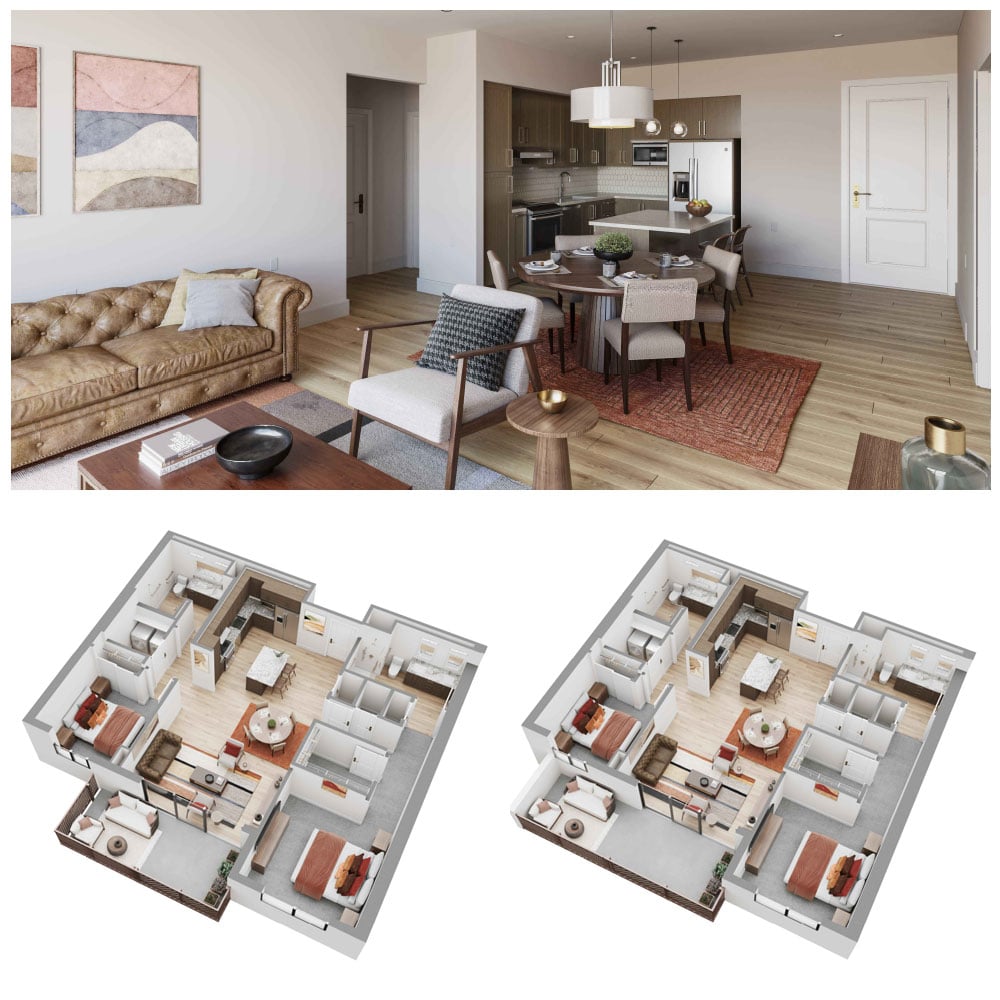
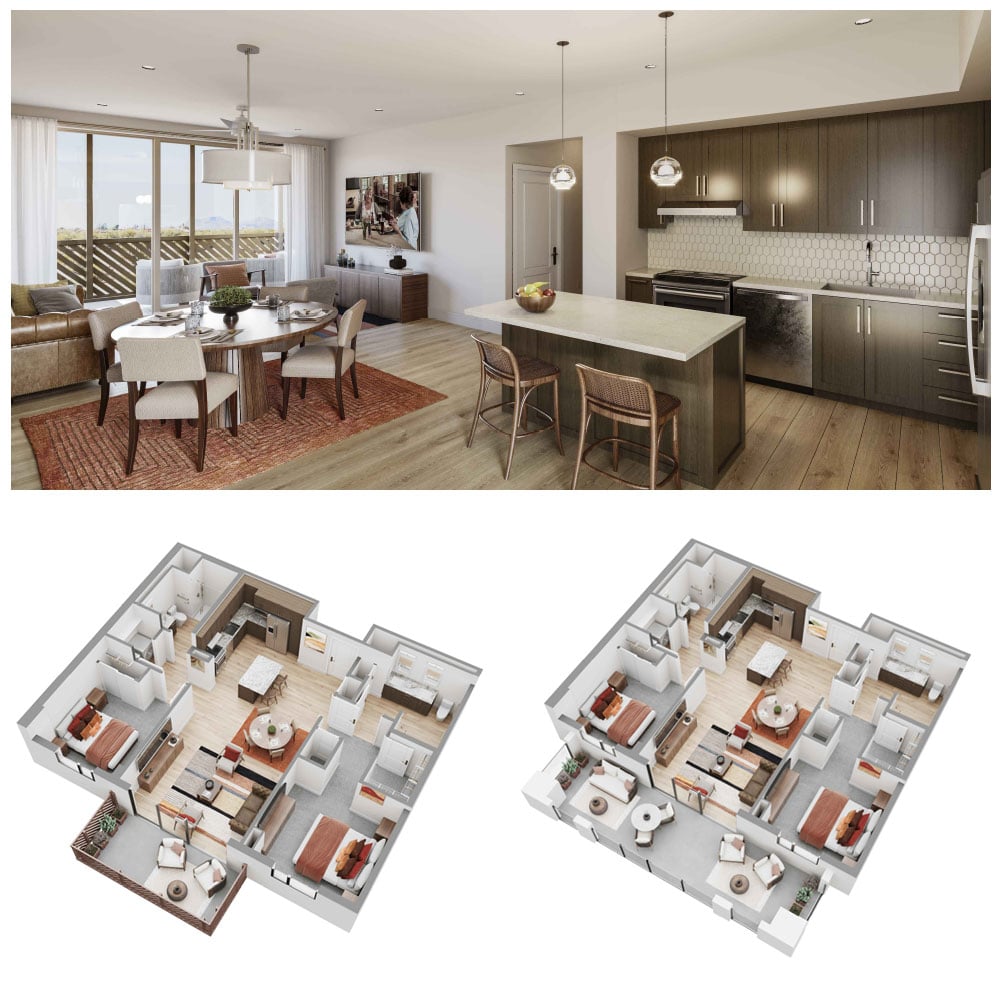
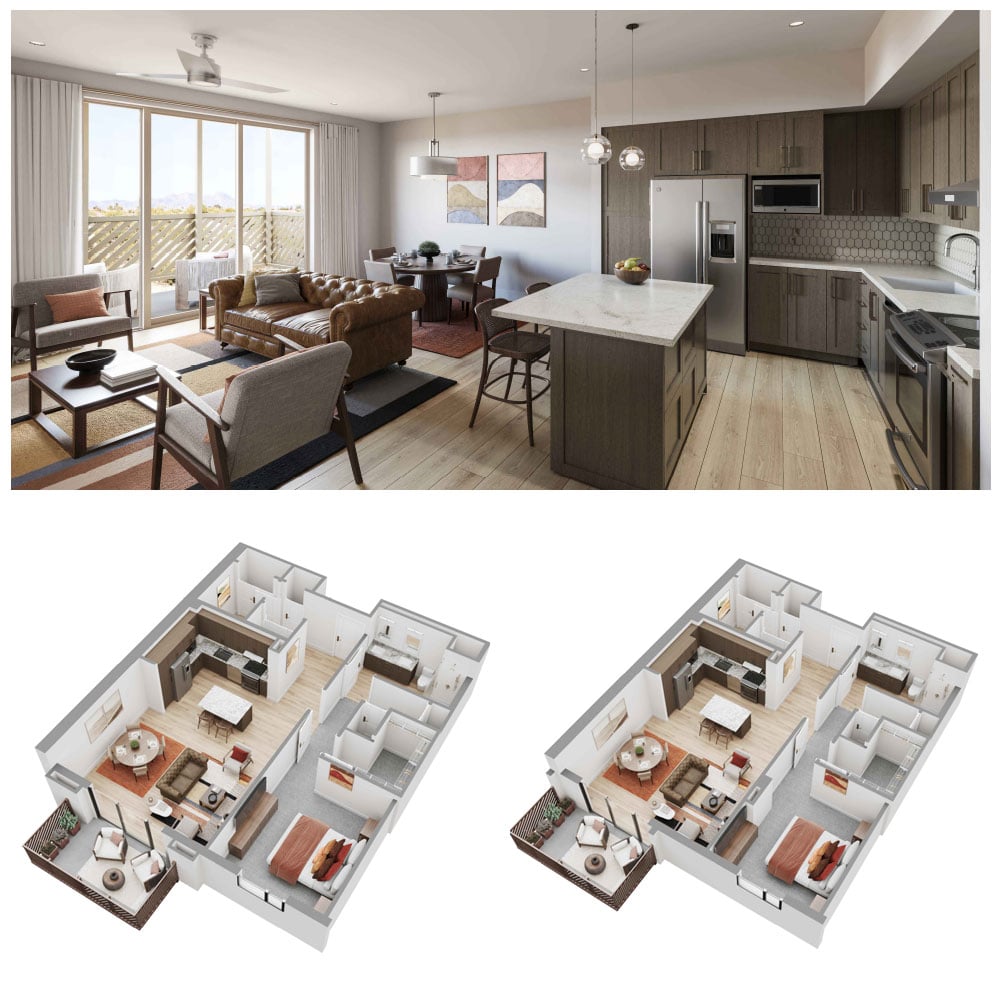
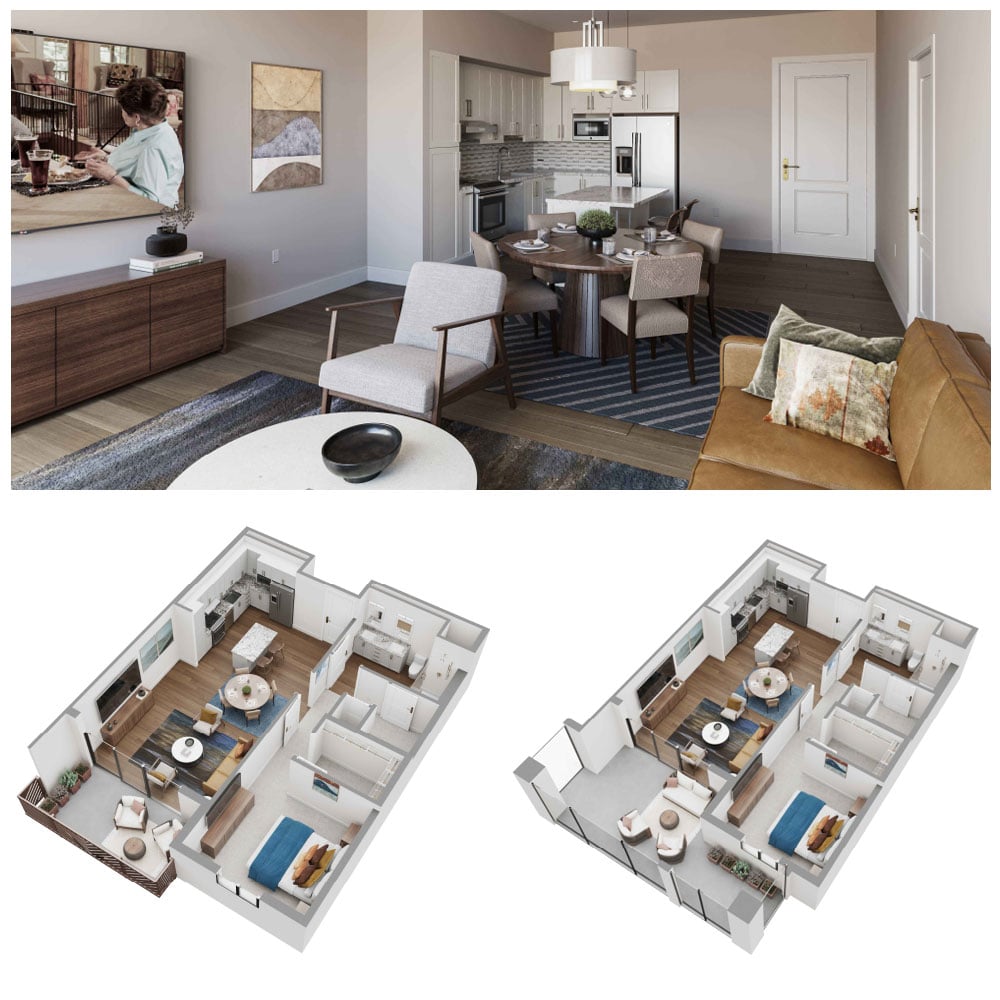
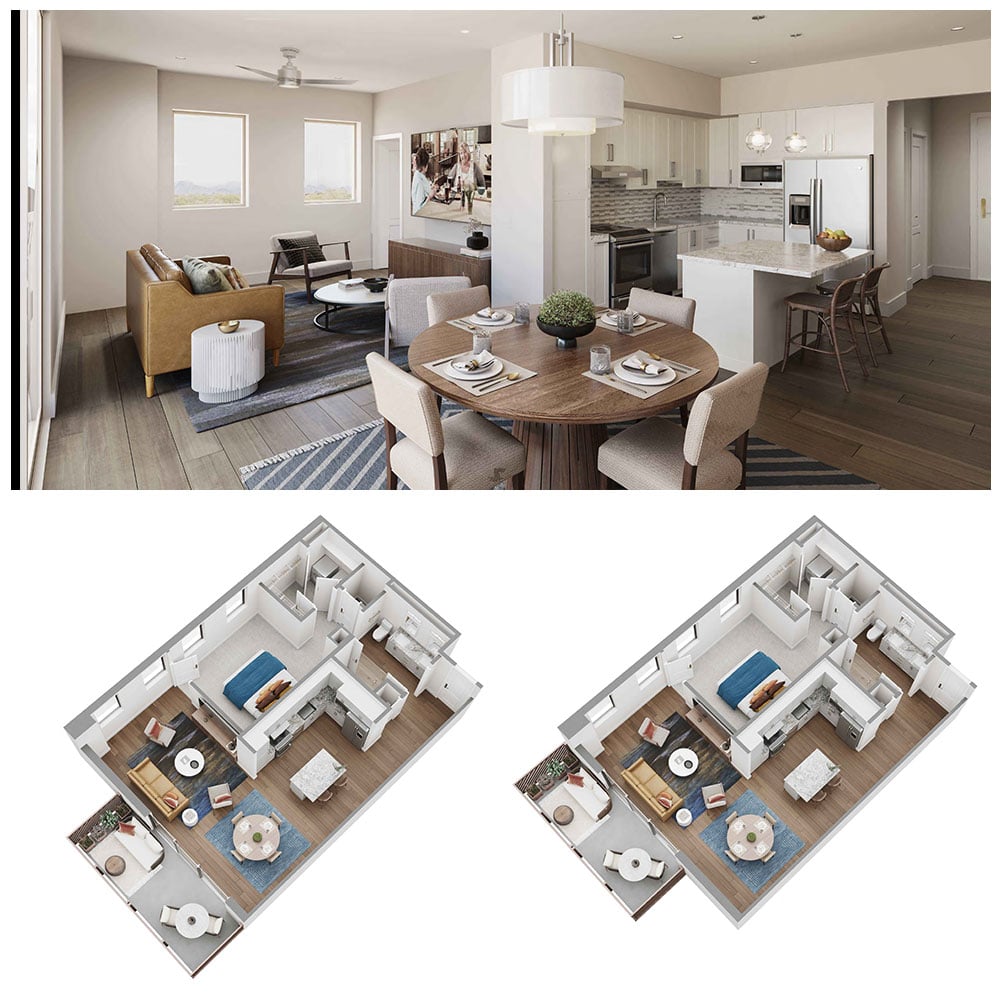
Independent living in Oro Valley is the starting point for most Life Plan Communities: private residences, an active lifestyle and fewer home responsibilities. As a Life Plan Community, La Posada at Pusch Ridge offers a wellness-focused senior lifestyle with mountain views in Oro Valley.
Assisted Living and Memory Care (brief overview)
Assisted living supports activities of daily living such as bathing, dressing and following medication schedules while preserving independence. Memory care supports residents living with Alzheimer’s disease or other dementias with specialized routines and support.
La Posada at Pusch Ridge is expanding to include assisted living and memory care services in Oro Valley. Once Phase II is completed, seniors who require more regular support can enjoy the same level of luxury and access to programs they’ve experienced in independent living, now available in assisted living and memory care. If skilled nursing is important to your plan, be sure to ask whether it is offered onsite, accessed through a partner, or coordinated through another La Posada resource.
What’s Included in the Lifestyle
Maintenance-free living + services (dining, housekeeping, transportation)
La Posada, as a Life Plan Community, provides senior living amenities and services meant to reduce chores and logistics so you can spend more time on people, routines and activities you enjoy. In any CCRC, inclusions vary by contract, so request a written list of what your monthly fee includes today and what costs extra.
Wellness, social life and community culture
At La Posada at Pusch Ridge, wellness programs and activities include a fitness center with staff-led personal training, classes like yoga and Tai Chi, and a resort-style pool with aquatic fitness classes. Amenities also include walking and bike trails that connect to the Tucson Loop, plus an art studio with classes.
Costs and Contract Basics
Entrance fee vs. monthly fee (high-level)
Many CCRCs use an entrance fee plus a monthly service fee. The entrance fee is often tied to the residence you choose and may be refundable in part depending on contract terms. The monthly fee typically supports services, amenities and long-term planning.
La Posada at Pusch Ridge offers a refundable entrance fee model and the monthly service fee supports amenities and lifestyle.
For a more detailed explanation of upfront costs, refund structures and monthly fees, read our CCRC entrance fee guide. You can also review La Posada’s independent living financial information to learn about its refundable entrance fee model and monthly service fee.
Common senior living contract types
- Type A (Life Care) usually has higher upfront costs and aims for steadier care costs later.
- Type B (Modified) typically includes limited care or discounts, then costs increase after benefits are used.
- Type C (Fee-for-Service) often has lower upfront costs but higher care costs later at closer-to-market rates.
What to ask for in writing (mini checklist)
Ask for the following items before you decide:
- A full schedule of fees and what can change annually
- Entrance fee refund terms, timing and conditions
- How access works for assisted living and memory care
- What is included in the monthly fee versus optional services
Pros and Cons of a Life Plan Community
Key benefits (predictability, access to care, lifestyle)
Key benefits include more predictability, simpler access to care, and a maintenance-free lifestyle. CCRCs can be especially helpful for couples because they can stay connected even if one spouse needs more support.
Potential drawbacks (cost structure, commitment, availability)
Common drawbacks include a higher upfront cost, a long-term commitment to one community and limited availability for certain floor plans or price points.
How To Choose the Right Life Plan Community
Financial strength + non-profit status
Financial strength matters because a Life Plan Community makes long-range promises. Some families also prefer non-profits because their mission and reinvestment can influence the resident experience.
La Posada at Pusch Ridge is a nonprofit Life Plan Community. In addition, the La Posada Foundation operates separately and supports La Posada at Pusch Ridge and La Posada at Green Valley.
Learn more about how nonprofit senior living communities prioritize resident well-being through mission-based decision-making and community reinvestment.
Culture/ “vibe,” services and care access
Tour with your real life in mind. Notice the pace, the friendliness and how residents spend their time. Then ask practical questions about care access, including how support starts in independent living, and what triggers a move to assisted living or memory care.
Tour checklist: what to evaluate in 20 minutes
During a short visit, focus on high-signal details:
- How staff greets you and answers questions
- Fitness spaces, pool access and class calendars
- Outdoor walkability and trail connectivity
FAQs About Life Plan Communities
Is a Life Plan Community the same as Life Care?
Not always. “Life Plan Community” and “CCRC” usually describe the overall model. “Life Care” often refers to a Type A contract style.
Do I have to move if my care needs change?
The goal is fewer disruptive moves. Many residents add support first, then transition only if they need more ongoing assistance or supervision.
What if one spouse needs more care than the other?
In many CCRCs, one spouse can stay in independent living while the other receives higher-level care, which helps couples stay close.
When is the best time to move?
Often the best time is when you can choose it proactively, not during a crisis.
How do costs compare to staying at home?
At-home costs can rise over time due to maintenance, transportation, meals and paid caregiving. A CCRC bundles many lifestyle costs and provides a structured pathway to care, which can add predictability depending on your contract.
Next Steps
See How a Life Plan Community Can Support Your Future
Explore independent living at La Posada at Pusch Ridge and discover how maintenance-free living, wellness opportunities and access to future support come together in one Oro Valley community.
Explore Independent Living Request Pricing & AvailabilityPrefer to speak with someone? Call 520-314-6790 or use our contact form.
Featured Image: Ground Pictures / Shutterstock