If you are researching CCRC entrance fees, you are likely asking how to compare the upfront cost of a Life Plan Community with its long-term value. At La Posada at Pusch Ridge in Oro Valley, that starts with understanding how entrance fees, monthly service fees and future planning work together.
What Is a CCRC Entrance Fee?
A CCRC entrance fee is a one-time upfront payment made when you move into a continuing care retirement community, also called a Life Plan Community. It helps secure your residence and supports long-term planning.
Entrance fee vs. “buy-in” vs. community fee
“Buy-in” is another way to describe an entrance fee, but it is different from buying real estate. A community fee is usually a smaller upfront charge used more often in rental senior living.
Why Life Plan Communities use entrance fees
Entrance fees help support community stability, resident services and future planning. They are part of what allows a Life Plan Community to combine independent living in Oro Valley with a plan for additional support as residents’ needs change.
La Posada’s nonprofit structure also allows the organization to reinvest in resident services, community operations and long-term stability. Learn more about the benefits of nonprofit senior living communities.
Entrance-fee model vs. rental model
A rental model often means lower upfront cost and more flexibility. An entrance-fee model may be a better fit for those who want stronger long-range planning.
What Does a CCRC Entrance Fee Cover?
Your residence and access to lifestyle amenities
In most cases, the entrance fee secures your residence and access to amenities. At La Posada at Pusch Ridge, that means independent living in Oro Valley senior living amenities and services that support dining, wellness opportunities, social connection and maintenance-free living.
Maintenance-free living and services
Part of the value is what residents stop paying for separately, including many repair, upkeep and household responsibilities tied to homeownership.
Future planning value
When families ask how much do continuing care retirement communities cost, they are comparing more than housing. They are comparing the costs of housing plus services plus future planning.
What’s usually not included
Common add-ons may include second-person fees, upgraded finishes, parking, premium dining options or extra support services. Always ask for a written list of fees when researching senior living communities.
What Determines the Size of an Entrance Fee?
Several factors influence senior living entrance fees, which is why pricing varies from community to community.
Location and market demand: Costs differ by region, demand and local market conditions. Oro Valley’s appeal and lifestyle can affect value.
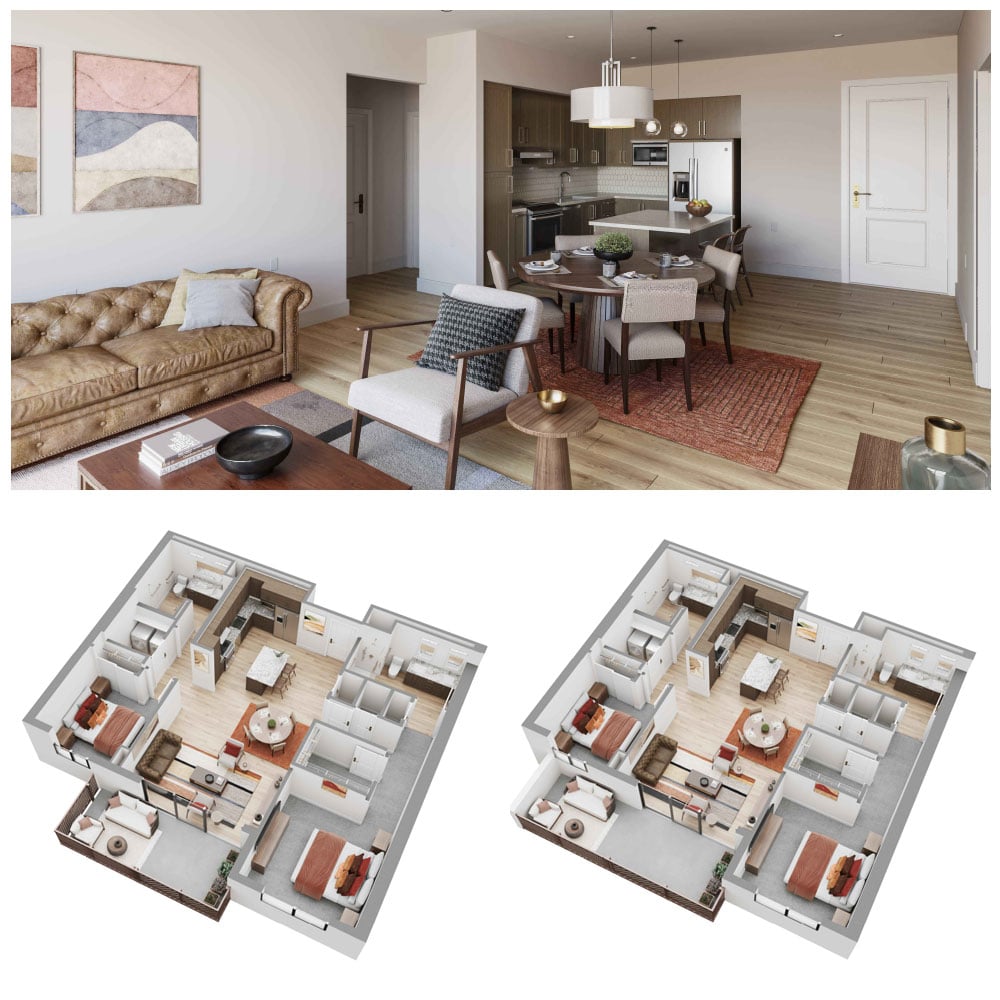
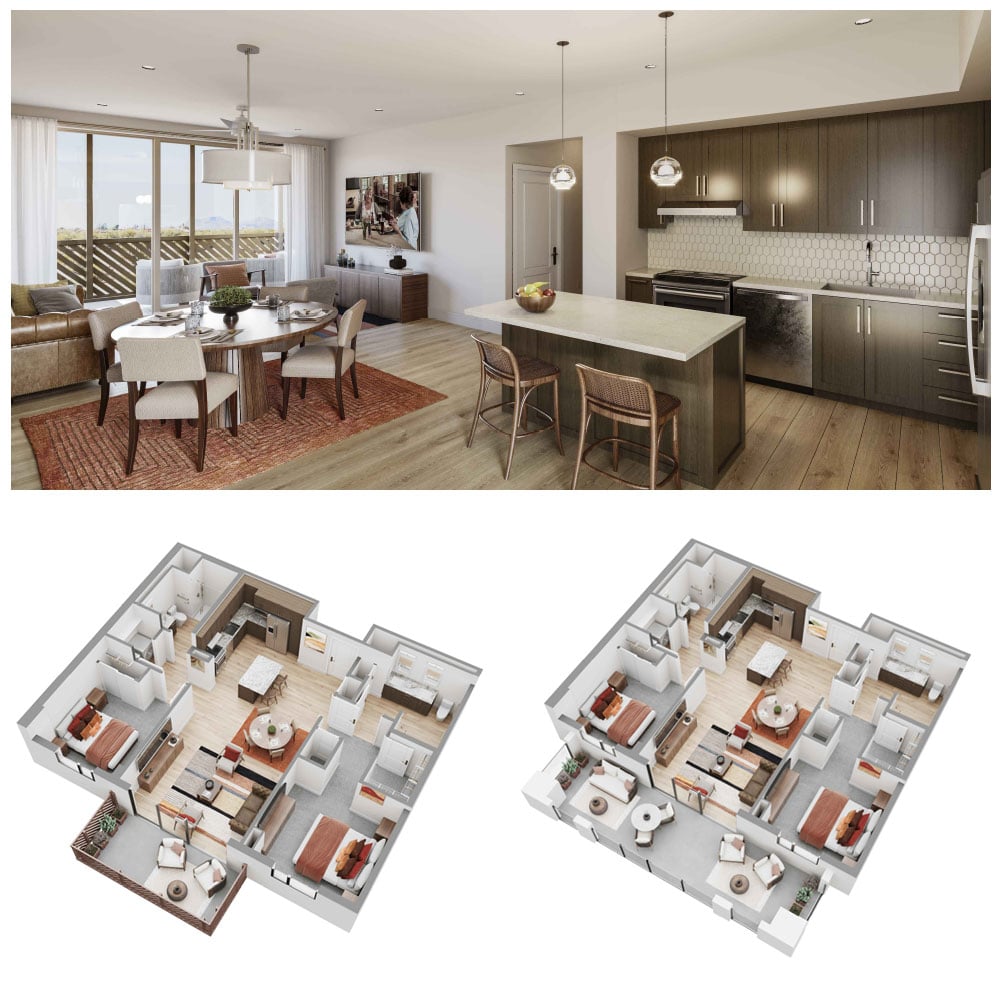
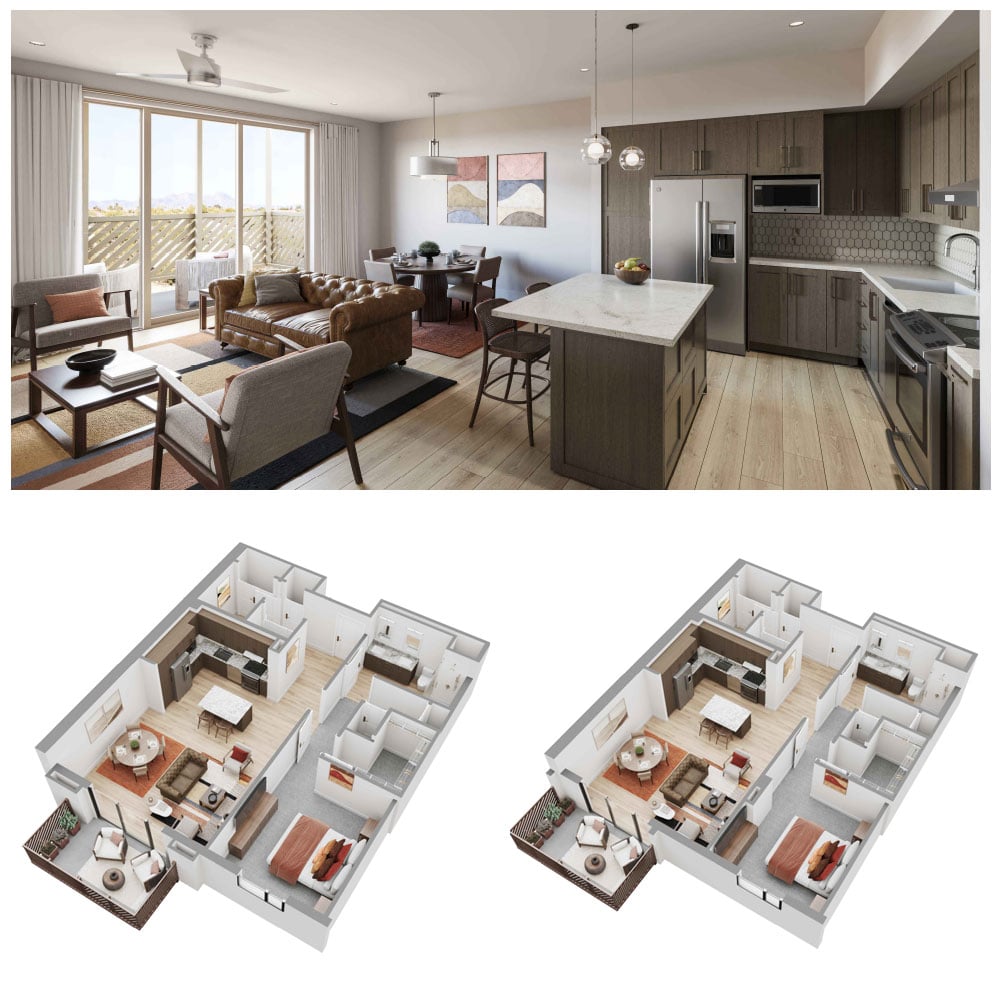
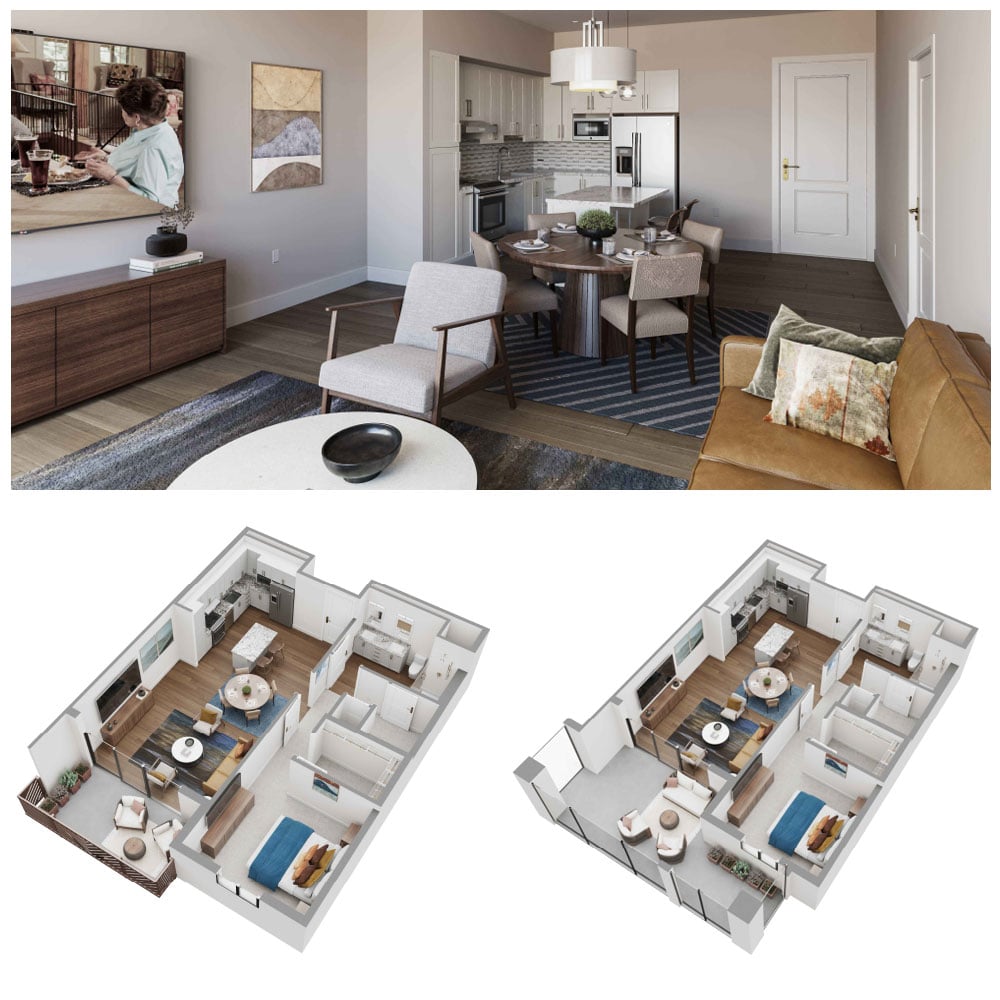
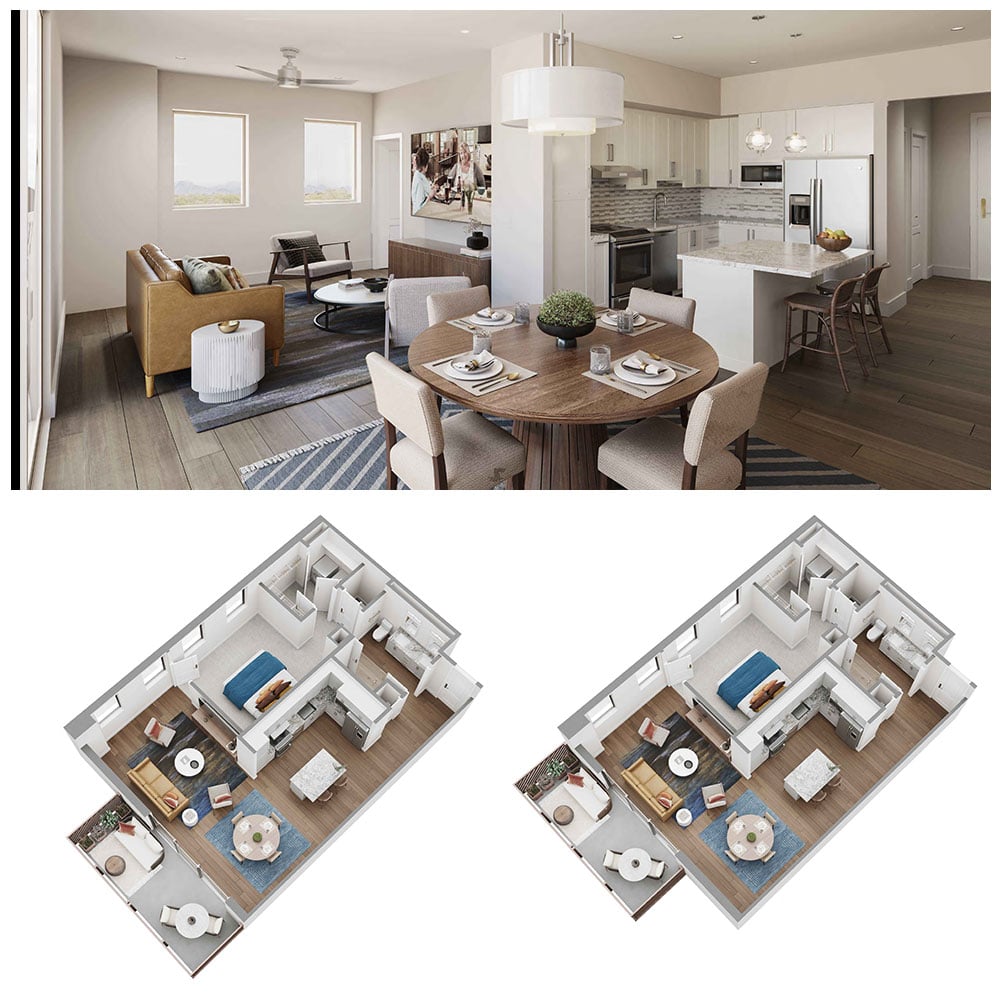
Apartment floor plan, square footage and features: Larger residences, certain views, outdoor spaces and upgraded features usually come with higher entrance fees.
Single vs. couple pricing: Some communities price differently for one resident versus two, so it is important to ask about this early during your search.
Refund option selection: A contract with greater refund protection often comes with a higher upfront fee.
Availability and timing: Limited inventory or desirable floor plans can affect pricing and the timing of your move.
Costs of residency at La Posada at Pusch Ridge are based on a partially refundable entrance fee and monthly service fee model. The entrance fee is based on the size and location of the apartment home you choose, and a monthly service fee supports the amenities, services and enriching lifestyle. As residents age in place, Posada Life at Home and health services can provide additional support within the community without a substantial increase to your monthly fee.
Refundable Entrance Fees and “Return Options” Explained
Refundability is one of the biggest factors to understand when comparing entrance fee communities.
Fully vs. partially refundable vs. non-refundable
A fully refundable contract generally returns the stated amount under the contract terms. A partially refundable contract returns a set portion, while a non-refundable contract does not return any of the entrance fee payment.
Common refund structures
Refunds may be fixed-percentage, declining-balance or based on specific conditions.
When refunds are paid and how timing works
Payment timing can vary, depending on whether a resident moves out, dies or transitions to another level of care.
What can impact refund timing
In some communities, repayment may depend on reoccupancy or resale of the residence, which can affect how long an estate waits.
What happens if you move out or your needs change
Ask how the contract works if you leave early or if your health needs shift.
Entrance Fee vs. Monthly Service Fee
The entrance fee is the upfront cost. The monthly service fee is the recurring cost that supports daily living in the community.
What the monthly service fee typically includes in a Life Plan Community
Monthly fees often include dining access, maintenance, utilities, transportation, programming, amenities and services, though details vary by contract.
What causes monthly fees to change?
Annual adjustments may happen because of inflation, staffing, insurance, utilities or service enhancements.
How do costs change if care needs change?
Changes in costs depend on contract type. Some contracts offer more predictable future costs while others charge separately later.
What is a good “true monthly cost” checklist?
Compare the cost of meals, utilities, housekeeping, maintenance, transportation, likely add-ons and future support costs, not just the base monthly fee.
How Contract Types Affect the Total Cost
Type A (Life Care) contract: higher up-front, more predictable care costs
Type A contracts usually cost more up front but can provide the most predictability if care needs increase later.
Type B (Modified) contract: some care included, then discounted or market rates
Type B contracts usually include a defined amount of future care before other pricing applies.
Type C (Fee-for-Service) contract: lower up-front costs, care priced separately later
Type C contracts often have a lower entrance fee, but care is generally paid for separately if needed.
Other models you may see
You may also see rental, hybrid, equity or co-op structures. These should not be compared as if they are identical products.
How To Compare Entrance-Fee Communities
Here’s what you need to know when making an apples-to-apples comparison of entrance-fee communities:
What to request: Ask for a fee sheet, refund addendum and a sample contract summary.
Compare total cost over time: Look at the entrance fee, monthly service fee and likely future care costs together.
Hidden-cost questions: Ask about second-person fees, meal minimums, parking, utilities, storage, upgrades and optional support services.
Value comparison: A community with a higher fee may still deliver better value if the services and long-term plan match how you want to live.
La Posada at Pusch Ridge has created an interactive Retirement Lifestyle Workbook that provides insights and perspectives into finding the senior living community that’s right for you.
Can I Afford a CCRC Entrance Fee?
Create a budgeting framework: Start with your income, fixed expenses and lifestyle spending, then look at what you want to simplify or protect.
Common ways residents plan funding: Many residents use a home sale, savings, investments or retirement income to support their move.
Planning for couples and longer time horizons: For couples, it helps to model the cost over many years rather than comparing only today’s numbers.
When to talk to a financial professional: A financial adviser can help you compare liquidity, estate goals, tax questions and refund options.
Tour Checklist for Evaluating Entrance-fee CCRCs
Apartment or home: Look at the layout, storage options, accessibility, natural light, outdoor space and views.
Lifestyle: Ask about dining, wellness, transportation, events and everyday community culture.
Contract types: Review refund terms, timelines, what is included and how care transitions work.
“Red flags” to watch for: Be cautious if fees are unclear, refund language is vague or written materials are hard to get.
Common Mistakes To Avoid With Entrance Fees
Only comparing the entrance fee number: A lower fee may come with less refund value or less long-term predictability.
Comparing different contract types as if they’re the same product: Type A, Type B and Type C contracts are not interchangeable.
Not asking about refund timing and conditions: The timing of a refund can matter just as much as the refund percentage.
Forgetting to model annual fee increases: Always account for likely fee adjustments over time.
CCRC Entrance Fee FAQs
Are entrance fees negotiable?
Sometimes there may be limited flexibility tied to inventory or promotions, but many communities use structured pricing.
Are entrance fees ever tax-deductible?
Possibly in some circumstances, but that depends on the contract and your tax situation.
What happens if I leave the community?
That depends on your contract’s refund terms and conditions.
How long does a refund typically take?
Timing varies widely and should always be asked about directly.
What’s the difference between a CCRC and a Life Plan Community?
Usually, just the wording. Life Plan Community is the newer term.
Explore Entrance Fees and Available Residences
See how La Posada’s partially refundable entrance fee, monthly service fee and residence options can fit your retirement plans.
Request Pricing & Availability View Floor PlansThe best way to evaluate CCRC entrance fees, the cost of independent living and overall value is to see the community and ask detailed questions.
Contact us today or call 520-467-7849 to schedule a private tour of La Posada at Pusch Ridge. We’re happy to answer all your questions.
Featured Image: Monkey Business Images / Shutterstock