It’s not unusual for people to seek advice on what pets are best for seniors, whether they’re considering a pet for themselves or someone they care about. After all, research has shown the benefits of pets for seniors are manifold: companionship, a sense of purpose, increased happiness, reduced stress and, in some cases, more opportunities to socialize and be physically active—just to name a few.
What’s less common is to consider what makes a good pet owner. Certain aspects of responsible pet ownership are the same for anyone who’s thinking about sharing their home with a pet. For seniors, though, additional factors may come into play.
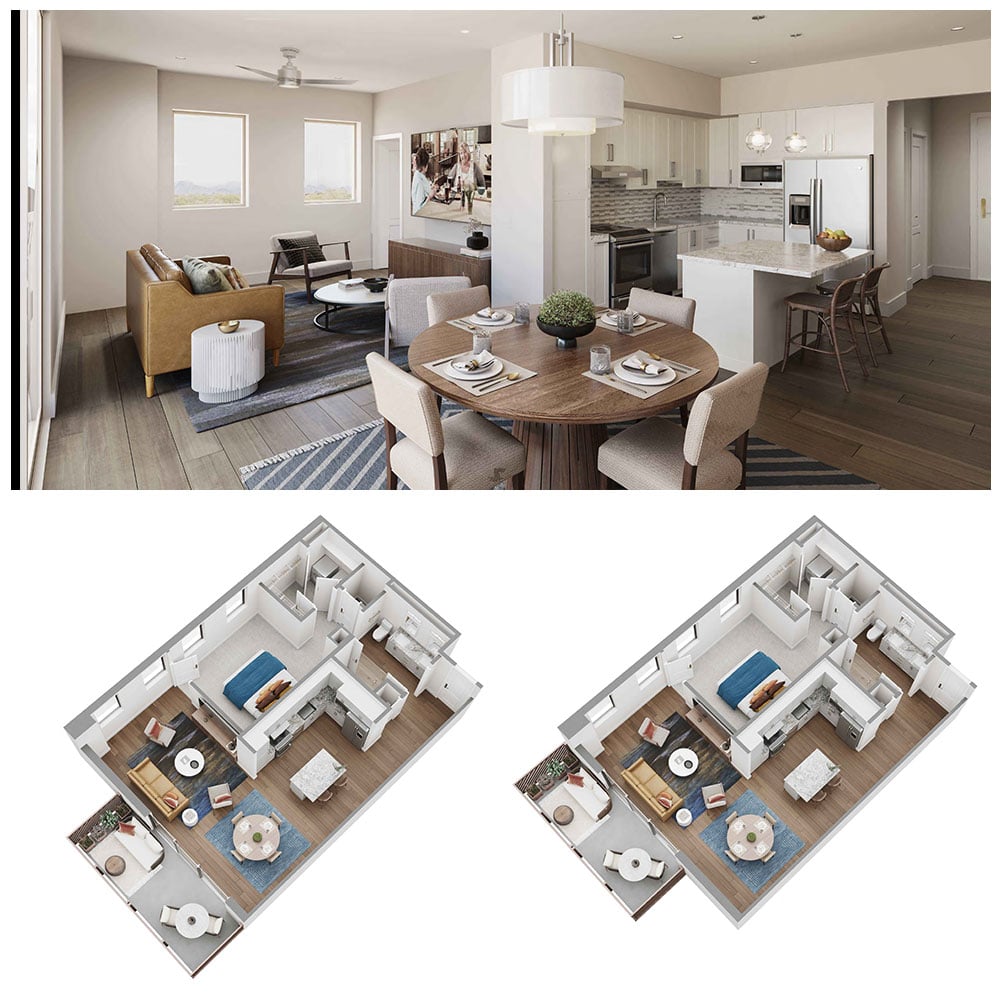
At La Posada at Pusch Ridge, we know how much pets enrich people’s lives, so we intentionally created a pet-friendly community complete with a dog park. We thought it would be interesting to talk with some residents who have pets and get their views on what makes someone a good pet parent.
Nina and Kelly
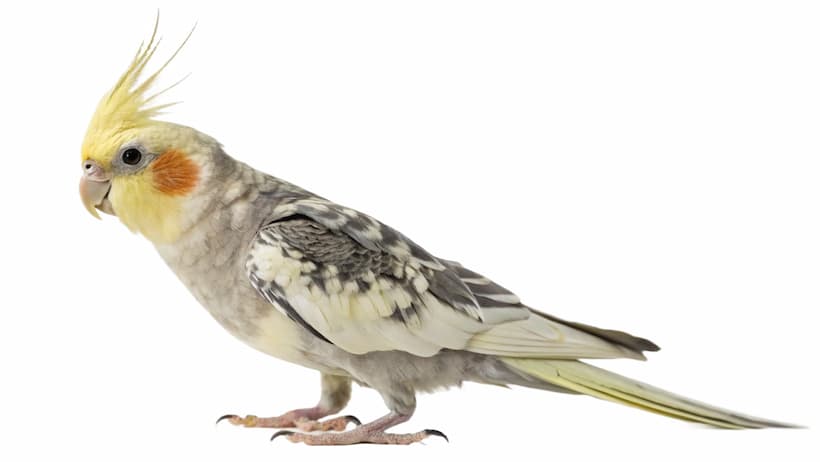
Most pet owners at La Posada at Pusch Ridge have dogs, so we were intrigued when Nina Strausberg joined us in February and brought her cockatiel, Kelly. Nina got Kelly from a pet store a little over a year ago when she was just a couple of months old. Kelly is gray and white, which is standard coloring for cockatiels, but her long tail feathers are yellow.
Kelly is not the first cockatiel in Nina’s life. Nina told us she had a cockatiel when she was in college. She’s also had dogs and says she misses having a dog but didn’t want to get another one because she uses an assistive device for mobility.
If you haven’t spent time around a pet bird, you may wonder how they show affection. In Nina’s case, she says if she leaves the room, Kelly starts chirping for her to come back. Kelly also greets her when Nina comes home, typically calling out to her as soon as she hears the key in the door.
What’s Nina’s perspective on being a good pet owner?
“You have to be willing to love and take care of an animal, which can be a lot of work,” she says. “You have to clean up after them.”
Even though she doesn’t have to worry about cleaning up dog or cat hair, Nina says she vacuums and changes the lining in Kelly’s cage daily. She orders Kelly’s bird food online, so it’s easy to keep a supply on hand.
Sometimes seniors are concerned about tripping or falling because their cat got underfoot or their dog pulled too hard on the leash. Nina doesn’t have those concerns with Kelly.
Lifespan is another consideration many seniors keep in mind when choosing a new pet. Unless they know there’s someone who would be willing and able to take responsibility for the pet if need be, most pet owners would prefer that their pet not outlive them.
Nina felt comfortable choosing Kelly because cockatiels generally live about 15 years, and Nina is in her 60s. For those who might be wary of making that kind of commitment, Nina points out there are many adult cats and dogs at pet rescue agencies that need homes, and they make wonderful pets.
Being a pet foster is another great option for seniors. Many rescue organizations will cover the cost of food and other supplies, as well as veterinary care. The pet foster provides a safe home along with healthy doses of love and affection.
The Barkers and Chaco
When Carol and David Barker moved to La Posada at Pusch Ridge a little over a year ago, they wondered how well their 8-year-old cat, Chaco, would adapt to their new home. Chaco was used to having a kitty door and a screened-in porch.
Fortunately, Carol says Chaco’s doing great and might actually like the balcony in his new home even better. He enjoys taking leisurely naps out there, even when it’s hot.
Unless they’re flying, the Barkers usually take Chaco with them when they travel—like when they go to Flagstaff. When they need to leave him at home, Carol says a fellow cat owner who also lives in our community looks out for him.
Like Nina, Carol has had dogs in the past, but she says having a cat can be better for seniors who travel frequently or don’t want to deal with taking a dog outside all the time.
What, in Carol’s opinion, makes a good pet owner?
She says you have to be aware of what your pet is trying to tell you. In some instances, especially with cats, that can be a tall order, but most pet owners find that they can eventually understand their pets pretty well.
Factoring in the cost of owning a pet, including veterinary care, is necessary before making the commitment.
“It helps not to be poor when you have a pet that’s sick,” Carol says, laughing. Chaco has a neurological condition that requires daily medication. “We were fortunate that the vet we took him to when we first got him as a kitten figured out what the problem was almost immediately.”
Carol recommends that people who are thinking about adopting a cat find out more about the cat before taking it home.
“David and I didn’t do that,” she says. “We have friends who’ve adopted cats from rescue agencies, and they really do try to match the cat to the person. That’s pretty important.”
“They find out what the person is looking for in a cat. Do they want a lap cat? A cat that’s independent? It’s not a perfect process, but it’s a little better than just picking out a cat because it’s cute.”
Then again, as Carol points out, “Often, it’s the cat who makes the choice.”
How To Learn More About Being a Good Pet Owner
We’ve touched on several important points to ponder if you’re considering getting a pet for yourself or a loved one. For many people, the power of pets can be transformational, but it’s important to be well-informed before welcoming a pet into your home.
An easy way to get more information is to do an online search using a phrase like “10 responsibilities of a pet owner.” The results will include considerations such as being able to keep your pet safe; providing your pet with physical exercise and mental stimulation; and the easiest of all: giving your pet plenty of affection.
To learn more about La Posada at Pusch Ridge and our pet-friendly environment, contact us online or call 520-314-6790.
Body Image: SaminaRex02 / Shutterstock